

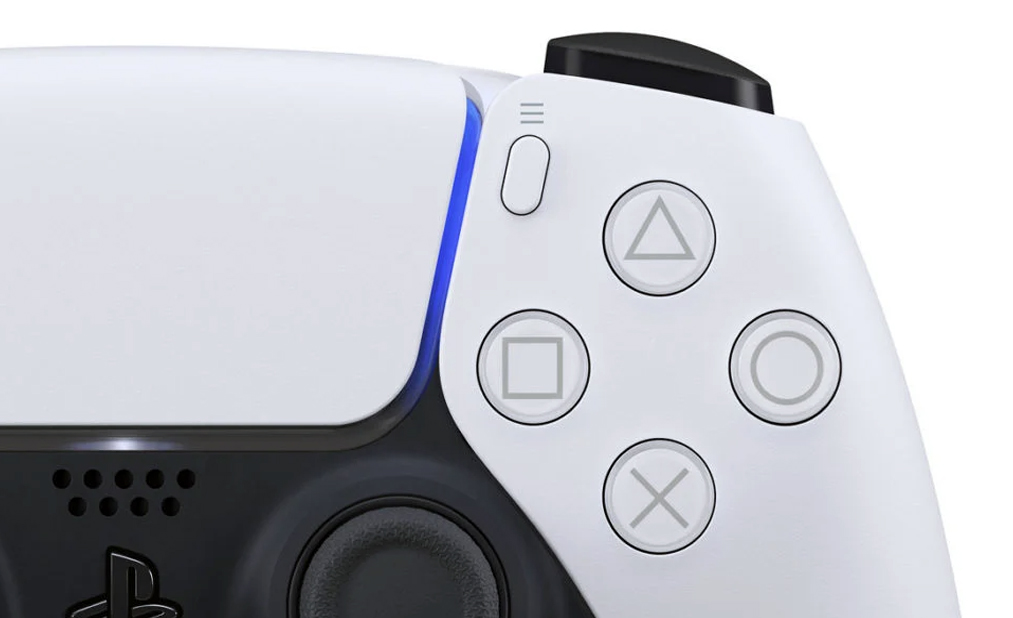

The PlayStation 5 revolutionized gaming not just with its lightning-fast SSD and advanced graphics but also with its innovative DualSense controller. From adaptive triggers to haptic feedback, the DualSense became a defining feature of the PS5 experience. Now, Sony is reportedly preparing to roll out a new iteration: the DualSense V3. According to leaks, this update will finally introduce something gamers have been asking for since day one—a removable, rechargeable battery.
Why is this such a big deal? Think about it: one of the most common frustrations with the current DualSense is its battery life. While immersive, the advanced haptic feedback and adaptive triggers drain power faster than older controllers. With a removable battery, Sony aims to strike a balance between innovation and practicality.
This article takes you through everything we know so far, why this change matters, and how it could affect the future of PlayStation gaming. Let’s dive in.
A Quick Look Back: Evolution of the DualSense Controller
DualShock Legacy Leading to DualSense
The PlayStation brand has a rich history of controllers that have shaped the way we play. From the original PlayStation’s DualShock controller in the late ‘90s to the DualShock 4 on the PS4, Sony consistently improved ergonomics and features. Each generation introduced something new: vibration feedback, analog sticks, wireless connectivity, and a touchpad.
When Sony unveiled the PS5, it marked a departure from the familiar DualShock branding. The DualSense represented not just a name change but also a leap in immersive design. This controller wasn’t just about pushing buttons—it was about feeling the game in your hands.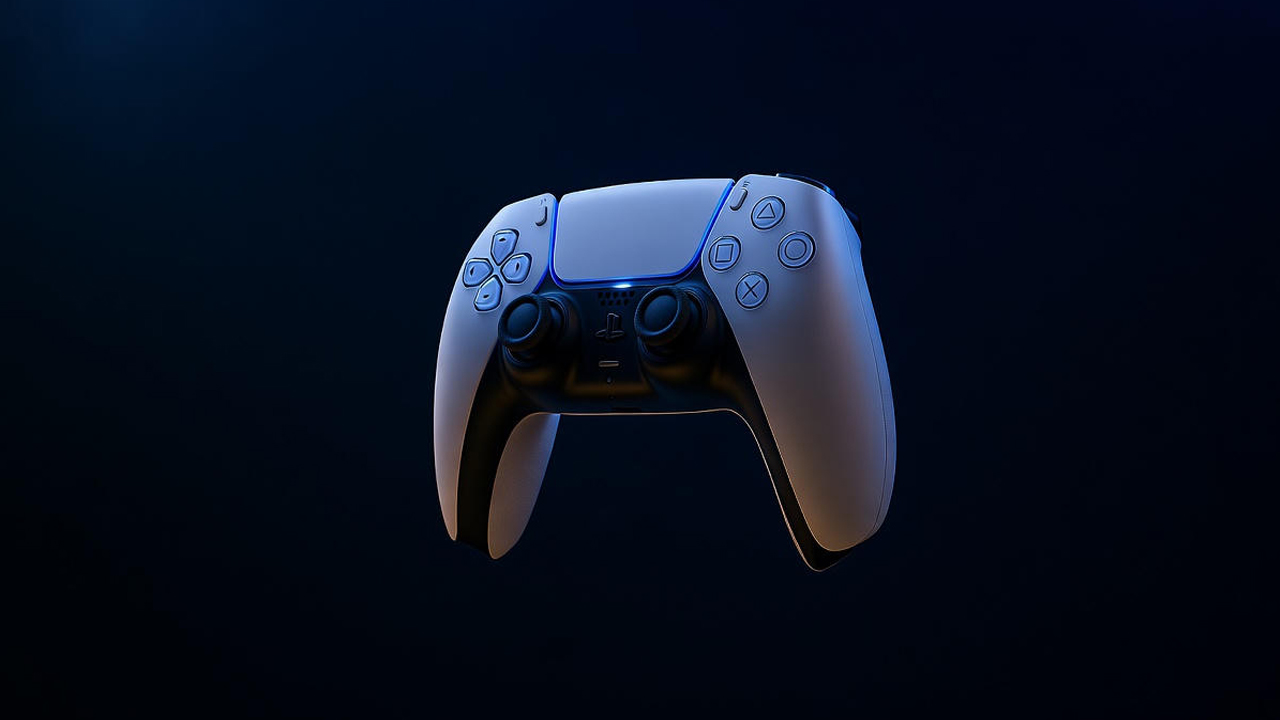
Innovations Introduced in DualSense
The DualSense broke new ground with several standout features:
-
Adaptive triggers that change resistance based on in-game actions (like pulling a bowstring).
-
Haptic feedback that lets players feel textures and sensations, such as footsteps on different surfaces.
-
Integrated microphone and speaker for quick communication without a headset.
-
USB-C charging for faster and more convenient recharges.
While praised for innovation, these features came with a trade-off—battery drain. Many users found themselves recharging more often than with the DualShock 4, which sparked ongoing debates about whether Sony should have used a swappable battery system.
The New DualSense V3: What We Know So Far
Report Sources and Credibility
The news about the updated controller comes from Polish site PPE.pl, citing a leaker known as Graczdari—a source with a reliable track record, including leaks about Microsoft Flight Simulator on PS5 and the boxed version of The Elder Scrolls IV: Oblivion Remastered.
According to the report, the controller is known internally as the DualSense V3, set for release in November 2025. It will reportedly replace existing DualSense models at retailers, signaling a permanent shift rather than a limited variant.
Expected Release Timeline
If the leak holds true, the DualSense V3 will roll out alongside a revised PlayStation 5 Pro. Interestingly, the new PS5 Pro itself won’t be a dramatic overhaul—it’s expected to use 3% less power and ship bundled with the updated controller.
The big highlight remains the removable battery system, which could set a new standard for PlayStation hardware.
Removable Battery: A Game-Changing Feature
Why Gamers Wanted This Upgrade
The PS5 DualSense is widely considered one of the best controllers ever made—but its non-removable battery has been a consistent pain point. Unlike Microsoft’s Xbox controllers, which let players swap AA batteries or rechargeable packs, DualSense owners have been stuck plugging in every few hours.
Gamers have long argued for a hybrid solution—keeping the convenience of a rechargeable battery while adding the flexibility to replace it. The V3 seems to be delivering exactly that.
Imagine this: you’re in the middle of a heated online match, and your controller dies. Instead of scrambling for a cable, you simply pop in a fresh, fully charged pack. That’s the kind of freedom this design promises.
Comparison with Competing Controllers
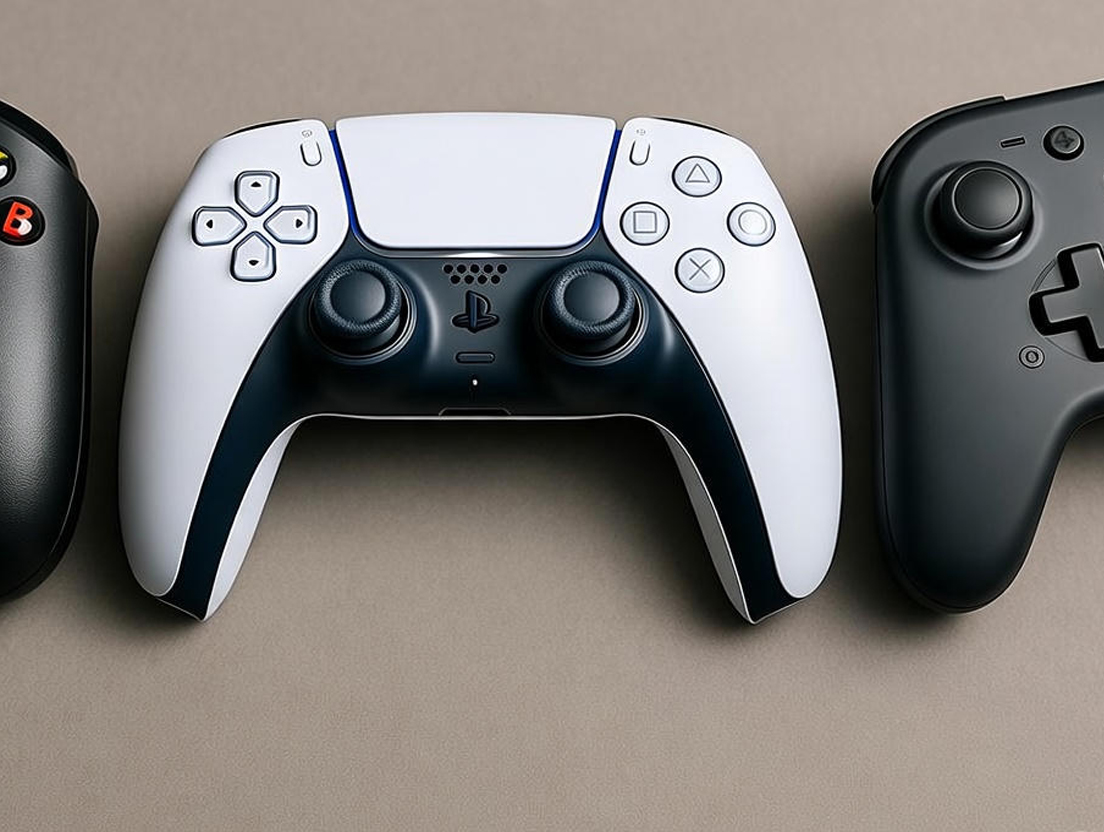
Xbox fans have long touted the flexibility of removable batteries, while PlayStation fans defended the built-in rechargeable approach for its simplicity. With the V3, Sony might finally be merging the best of both worlds.
-
Xbox Controllers: Removable batteries (AA or rechargeable packs). More flexible but less eco-friendly if relying on disposables.
-
Nintendo Switch Pro Controller: Built-in rechargeable battery. Simple but non-replaceable.
-
PS5 DualSense V3 (rumored): Swappable rechargeable pack. A balance between longevity, eco-consciousness, and user convenience.
If Sony executes this well, the V3 could set a new industry standard.
Rechargeable vs. Replaceable Batteries
Benefits of Swappable Rechargeable Packs
There’s a reason gamers have been begging for this feature:
-
Extended lifespan: Instead of throwing away a controller when the internal battery wears out, players can just replace the pack.
-
Game continuity: No interruptions mid-session; just swap and keep playing.
-
Customization potential: Third-party companies could offer higher-capacity batteries for marathon gaming sessions.
It’s a win for both gamers and the environment—less e-waste and fewer controllers ending up in landfills.
Drawbacks and Possible Concerns
Of course, no design is perfect. Some concerns include:
-
Bulkiness: If not designed carefully, removable packs could add extra weight or awkward dimensions.
-
Cost: Replacement batteries may come at a premium price, especially if sold officially by Sony.
-
Durability: Over time, repeated swapping could affect battery bay connectors if not engineered robustly.
Still, most players would argue that these trade-offs are worth it for the added convenience and longevity.
How This Affects Controller Longevity
One of the biggest complaints about the DualSense controller is its limited lifespan due to the internal battery. Anyone who has owned the current PS5 controller knows the frustration: over time, the built-in lithium-ion battery loses its capacity. That means shorter play sessions, more frequent charging, and eventually a controller that just doesn’t hold power. In most cases, when that happens, gamers are left with two options: pay for an expensive repair or buy a completely new controller.
The DualSense V3’s removable battery system directly addresses this issue. By allowing players to swap out a depleted battery pack for a new one, the controller’s lifespan could effectively extend far beyond the average cycle. Instead of replacing an entire controller, players could just replace the battery, much like swapping out a phone battery in older smartphones.
This change not only saves money but also provides peace of mind. Imagine investing $70 in a controller and knowing it can last years longer than before, just because the most vulnerable part—the battery—is replaceable. This move also makes the controller more future-proof. As new, more efficient batteries are developed, players might upgrade to higher-capacity packs without changing the entire device.
From a sustainability standpoint, it’s a big win. Instead of throwing away fully functional controllers, gamers will be able to keep their hardware in action with just a small, replaceable component. If Sony leans into this direction, it could reshape how we think about console accessory lifespans in general.
Environmental Impact and Sustainability
Electronic waste (e-waste) is one of the fastest-growing waste streams in the world, and gaming hardware contributes its share. Controllers with sealed batteries that eventually fail are a big part of the problem. Once the battery degrades, many players simply toss the controller and buy a new one, adding to the pile of electronics that are difficult to recycle.
By introducing a removable, rechargeable battery, Sony could make a significant step toward reducing unnecessary e-waste. Players won’t have to dispose of controllers just because the battery no longer holds a charge. Instead, they’ll swap the old one for a new, recyclable pack. If Sony ensures that the battery packs themselves are designed with recycling in mind, the eco-benefits become even stronger.
The potential ripple effect goes further. If Sony leads the way, other console manufacturers might follow suit, creating an industry-wide shift toward more sustainable hardware practices. Considering the increasing demand from gamers for eco-friendly solutions, this could become a major selling point for PlayStation as a brand.
Additionally, having removable batteries could encourage third-party manufacturers to innovate in the space. Imagine eco-focused companies releasing solar-rechargeable packs or batteries made with sustainable materials. It’s a small hardware tweak with potentially massive long-term environmental impacts.
Compatibility with Older Models
A question that’s already popping up in the gaming community is: Will the new battery system work with existing DualSense controllers? While nothing has been confirmed yet, this is where things get tricky.
On one hand, it would make sense for Sony to standardize its battery pack design across all models. That way, whether you own the new V3 or an older DualSense, you could purchase the same replacement pack. This would maximize adoption and minimize confusion for gamers. On the other hand, Sony may prefer to keep this feature exclusive to the new controller to drive sales and encourage upgrades.
Another aspect to consider is whether the charging docks and accessories designed for the current DualSense will remain compatible with the V3. If the removable battery alters the form factor even slightly, older charging stations might not work. That could frustrate players who have already invested in PS5 accessories.
The most consumer-friendly path would be backward compatibility, but historically, Sony has often used hardware updates to push new purchases. So while the V3 may represent a leap forward, there’s a chance existing DualSense owners will need to invest in fresh gear if they want to take advantage of the battery system.
What This Means for PS5 Pro Buyers
The rumored PS5 Pro, expected to arrive around the same time as the DualSense V3, will reportedly ship with the updated controller. For buyers of the Pro model, that means they’ll get the new tech without needing to make an extra purchase.
This bundling makes strategic sense for Sony. A new console launch is always the perfect time to debut improved accessories, and by including the V3 as the standard controller, Sony ensures every new Pro owner experiences the removable battery from day one. This could also serve as a strong marketing point—positioning the PS5 Pro as not just a console upgrade but part of a smarter, more sustainable gaming ecosystem.
For those sticking with the base PS5, the V3 controller will likely be sold separately at retail. If priced similarly to the current DualSense, players may see it as a worthwhile upgrade even without buying a new console. After all, the frustration of short battery life affects all PS5 owners, not just those waiting for the Pro.
Ultimately, this move could give the PS5 Pro a slight edge in terms of consumer appeal. Buyers will feel like they’re not only getting more powerful hardware but also the latest accessory innovation bundled in.
Price Expectations and Market Positioning
The DualSense controller currently retails at around $69.99, with special editions sometimes priced higher. The big question is: will the DualSense V3 cost more?
If Sony includes the removable battery and sells additional packs separately, there’s a good chance we’ll see two layers of pricing:
-
Base controller price – likely still around $69.99 to stay competitive.
-
Extra battery packs – potentially priced between $15 to $30 each, depending on capacity.
This strategy allows Sony to maintain the standard controller price while opening a new revenue stream through battery sales. Considering how often gamers would want a spare pack (to swap during gameplay), this could become a lucrative model for Sony.
The key will be how Sony positions this update in the market. If the V3 is seen as an optional luxury, adoption may be slower. But if it fully replaces existing DualSense models at retail, as leaks suggest, then every new buyer will naturally be part of the transition. Over time, this could establish the swappable battery as the new normal for PlayStation controllers.
For consumers, the price point will determine how attractive the V3 feels. If battery packs are too expensive, some players might stick with charging cables. But if priced fairly, the system could quickly become one of the most beloved PlayStation hardware updates in years.
Comparing DualSense V3 to the Competition
When it comes to controllers, Sony, Microsoft, and Nintendo each have their own design philosophies. The DualSense V3 brings Sony closer to Microsoft’s approach while still maintaining its signature innovations.
Microsoft’s Xbox controllers have long relied on removable batteries—either AA or rechargeable packs—giving players the flexibility to swap mid-game. However, critics argue that this feels outdated in a world where most electronics have built-in rechargeable cells. Nintendo’s Switch Pro Controller takes the opposite route: a simple built-in rechargeable battery that offers excellent life but eventually degrades with no easy replacement option.
The DualSense V3 positions itself as the middle ground. With a swappable rechargeable pack, it combines the convenience of built-in charging with the flexibility of removable power. For players, this means the best of both worlds—no more tossing controllers when batteries die, and no need to rely on disposable AAs.
If Sony nails this execution, the V3 could surpass its rivals in terms of practicality and sustainability. It’s not just about keeping up with competitors; it’s about setting a new industry standard for what a modern gaming controller should offer.
Potential Challenges Sony Might Face
Of course, no hardware update comes without risks. While the idea of a removable battery sounds fantastic, execution will determine its success.
One concern is design integrity. DualSense is already known for its sleek shape and balanced weight. Adding a swappable battery compartment could introduce bulk, rattling, or awkward grips if not designed with precision. Players are sensitive to even small changes in controller ergonomics, so Sony must ensure the feel remains as comfortable as ever.
Another challenge is durability. Battery compartments with removable connectors can wear down over time. If poorly engineered, players could face issues like loose connections or fragile latches. This would be a major setback, especially for gamers who expect longevity from their controllers.
Pricing strategy also poses a risk. If Sony overprices replacement battery packs, gamers may feel exploited rather than supported. Striking the right balance between affordability and profitability will be crucial for adoption.
Finally, Sony must address compatibility questions. If the new battery design makes older charging docks or accessories obsolete, it could frustrate early adopters. Sony has to manage this transition carefully to avoid alienating its loyal fanbase.
Gamers’ Reactions and Community Buzz
The gaming community is already buzzing about this potential update, and reactions are mostly positive. For years, forums and social media discussions have been filled with complaints about the DualSense’s short battery life. The news of a swappable battery system has sparked excitement and relief.
On Reddit threads and gaming Twitter, players are calling this move “long overdue.” Many Xbox fans are even admitting they might envy PlayStation users if Sony delivers a rechargeable swappable solution that eliminates disposable batteries. Others, however, remain cautiously optimistic, reminding fellow gamers that execution is everything.
Some skepticism lingers. A portion of the community worries about added costs for extra packs, while others wonder if Sony will make the replacement batteries proprietary, preventing affordable third-party options. Still, the overall tone is hopeful. If the rumors are true, Sony may finally silence one of the loudest criticisms of the PS5 era.
The Future of PlayStation Accessories
The DualSense V3 could mark the beginning of a broader shift in PlayStation’s accessory strategy. By introducing modular elements like removable batteries, Sony may open the door to other customizable features in future hardware.
Imagine controllers with interchangeable grips, customizable trigger modules, or upgradable components. This modular philosophy could reduce waste, extend product lifespans, and give players more control over their gear. We’ve already seen hints of this direction with the DualSense Edge, which allows swappable thumbsticks. The V3 could be another step in the same evolution.
Beyond controllers, this approach might inspire other accessories like headsets, charging stations, or even the PlayStation VR lineup. As sustainability and consumer flexibility become more important, Sony could lean into modularity as a core design principle.
In short, the V3 isn’t just about fixing battery life—it could signal where PlayStation hardware is heading in the next decade.
Final Thoughts: A Step Forward for Sony
The DualSense V3 represents more than just a small hardware tweak; it’s a response to years of gamer feedback. By adding a removable, rechargeable battery, Sony addresses one of the most consistent complaints about the PS5 experience. If done right, this move could extend controller lifespans, reduce e-waste, and improve gameplay convenience for millions of players.
While challenges remain—such as pricing, design durability, and compatibility—the potential benefits far outweigh the risks. The gaming community is ready for this change, and if Sony executes it well, the DualSense V3 could become the most beloved controller in PlayStation history.
As we await official confirmation, one thing is clear: the future of PlayStation accessories is about to get more flexible, more sustainable, and more gamer friendly.
Conclusion
The PlayStation 5 DualSense controller already redefined immersion in gaming, but its weak point has always been battery life. With the rumored DualSense V3 introducing a swappable rechargeable battery, Sony could finally perfect its most innovative accessory.
Gamers will enjoy longer hardware lifespans, uninterrupted play sessions, and a reduced environmental footprint. It’s a win-win for players and the planet—provided Sony executes the design and pricing strategy properly.
Whether you’re planning to buy the upcoming PS5 Pro or just looking to upgrade your current setup, the V3 looks set to deliver a long-requested solution that could change the way we think about console controllers.