



Soulbound Online Beginner Guide: Classes, Builds, Dungeons, and What’s New on Steam
The Soulbound Online beginner guide you need before jumping into one of the most anticipated pixel art MMORPGs to hit Steam in years.
If you’re coming from the browser or Discord version, pay attention — this isn’t the same game you remember. The Steam version runs at over 200fps on select hardware, with reworked combat, overhauled dungeons, a new stat and ability system, and a completely new economy with new items, crafting progression, and skilling pathways. If you played the original, you’ll recognise the DNA, but it plays different, looks different, and feels different.
And if you’re completely new — welcome. Here’s everything you need.
What Is Soulbound Online?
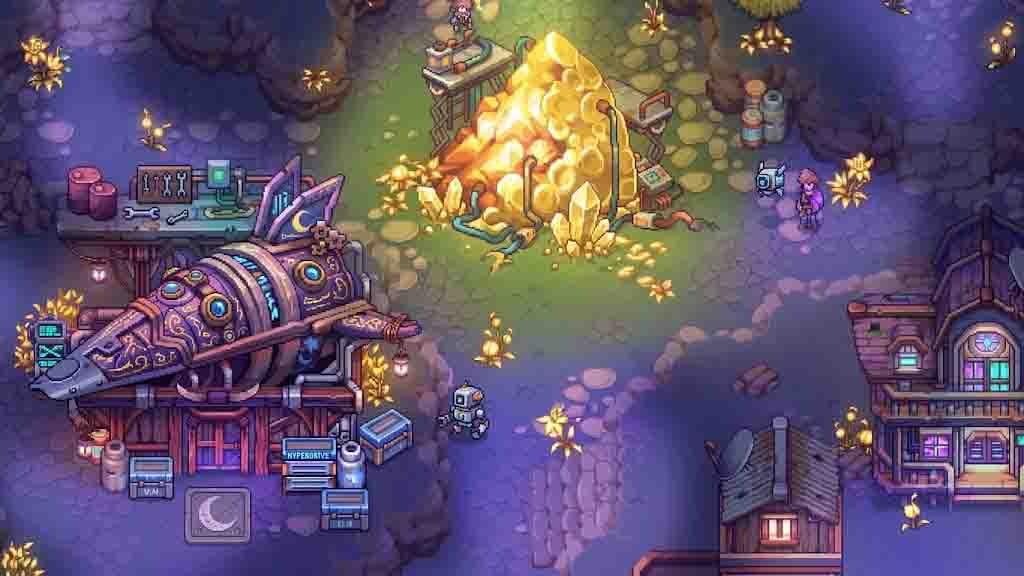
Soulbound Online is a pixel-art action roguelite with an MMORPG overworld, developed by indie studio SpiderWare in London. It launched on Steam Early Access on July 21, 2026 after drawing more than one million players on browser and Discord.
The pitch is genuinely interesting. Run fast-paced bullet-heaven dungeons solo or in 3-player co-op, raid bosses, craft gear from your loot, and build out your personal base. Join thousands of players in the quest to explore, trade, and build a new world.
It’s not purely an MMO. It’s not purely a roguelite. It’s both, layered together in a way that works better than it sounds on paper. The MMORPG overworld gives you the social and progression framework. The roguelite dungeons give you the replayable, skill-testing content that keeps runs feeling fresh.
Soulbound Online already reached 50,000+ wishlists in under four weeks on Steam — and that’s before the full launch. For a pixel art indie MMO, that’s a strong signal that the core audience is already waiting.
The Core Gameplay Loop
Before classes and builds — understand what you’re actually doing in Soulbound Online, because it’s different from a traditional MMORPG.
The game combines an open world with instanced dungeon runs, letting players farm, fish, craft, trade, build a base, and explore. On the dungeon side, Soulbound Online leans into roguelite structure, with procedural generation designed so each run feels different from the last.
So your typical session might look like:
- Open world — gather resources, trade at the player market, work on your house
- Queue for a dungeon — solo or with up to two friends in 3-player co-op
- Run the dungeon — bullet-heaven combat with procedurally escalating boss phases
- Extract loot — bring it back, craft gear, sell what you don’t need
- Upgrade your build — swap abilities, try new relic combinations, respec if needed
That loop is the engine. Everything else — housing, economy, raids — extends it.
Classes and Roles — What to Pick First
Play tank, healer, DPS, or a hybrid of your own design. Mix 10+ swappable abilities with 100+ relic paths across multiple weapon archetypes and deep skill trees. Respec instantly, so you can rebuild your character between runs.
The respec system is huge. You don’t get locked into a bad build choice — experiment freely.
Here’s how the roles break down in Early Access:
🛡️ Tank
Absorbs damage in dungeons, holds aggro on bosses, enables the rest of the party to deal damage safely. Harder to play well than it looks — positioning in bullet-heaven combat matters as much as defensive stats.
Best for: Players who want to be the party anchor, people playing regularly with a consistent group
💚 Healer
Support role that keeps parties alive through extended boss fights. Strong in co-op, surprisingly capable solo with the right ability selection.
Best for: Players who enjoy enabling others, social players who want to be always in demand for group content
⚔️ DPS
Pure damage output. The fastest solo dungeon clear speed and the most straightforward build path for new players.
Best for: New players, solo-focused players, anyone who wants to learn the game’s combat mechanics without the complexity of a support role
🔮 Hybrid
Mix 10+ swappable abilities to create a build that doesn’t fit neatly into one role. Higher skill ceiling but the most flexibility in how you approach content.
Best for: Experienced MMO players who want to experiment, players who enjoy theorycrafting
Beginner recommendation: Start DPS. Learn the dungeon mechanics, the bullet-heaven combat patterns, and how the relic system works before adding the complexity of tank positioning or healer resource management.
The Ability and Relic System
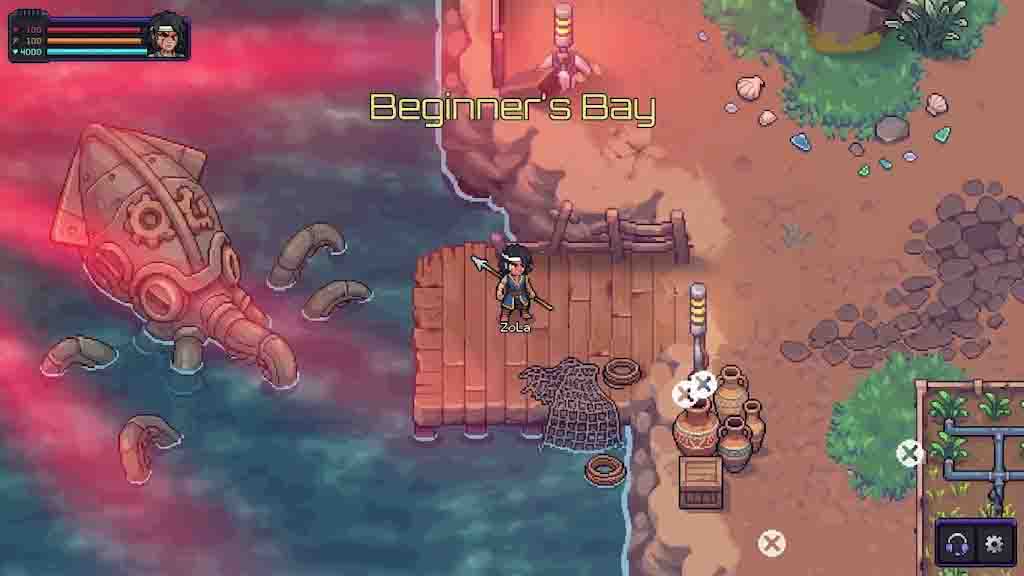
This is where Soulbound Online gets genuinely deep — and where new players often get overwhelmed.
Mix 10+ swappable abilities with 100+ relic paths across multiple weapon archetypes and deep skill trees.
Think of it in two layers:
Abilities — Active skills you use in combat. You swap these between runs based on what dungeon you’re running and what your party needs. They’re not permanent choices.
Relics — Passive modifiers that shape how your abilities function and how your stats scale. Finding the right relic synergies is the core of build crafting in Soulbound Online.
For beginners, focus here first:
- Pick 3–4 abilities that complement each other rather than spreading across 10
- Find relics that amplify your primary ability’s effect
- Don’t chase rare relics early — a well-synergized common build beats a poorly synergized rare one
- Use the instant respec system to experiment without penalty
The meta will shift as the community discovers broken synergies and SpiderWare patches them. Get comfortable with the system early so you can adapt.
Dungeon Guide — Surviving Your First Runs
Dungeon runs can be tackled solo or in three-player co-op, with procedural generation designed so each run feels different from the last. Face procedurally escalating boss phases and pick your path as you navigate the dungeons.
Here’s what kills new players in their first dungeon runs:
Standing still. Bullet-heaven combat punishes players who treat this like a standard MMO where you stand in place and rotate abilities. You’re always moving. Always.
Ignoring boss telegraphs. Boss phases escalate — a pattern that’s easy to dodge in phase one becomes layered and complex in phase three. Learn the pattern early rather than trying to tank through it.
Wrong ability selection for the content. The ability swap system exists for a reason. Area damage abilities shine in wave-heavy dungeons. Single-target damage wins on boss-focused runs. Adjust before you queue.
Going in undergeared. Soulbound Online has permanent meta-progression between attempts. Keep permanent meta-progression between attempts — use it. Even one or two upgrade levels make a meaningful difference.
Housing — Building Your Base
This is one of the more unique features in Soulbound Online and one that gets overlooked in the early rush to dungeon content.
Build player-owned houses for crafting and shared resources. Invite your friends and decorate.
Your house isn’t just cosmetic. It’s a crafting hub — a functional base that stores shared resources and gives you crafting options that aren’t available elsewhere. Investing in housing early means your crafting efficiency scales with your progression rather than playing catch-up later.
Decorating is purely cosmetic but genuinely well-implemented — the pixel art aesthetic lends itself to creative housing layouts and the community has already been sharing impressive builds from the browser version.
The Player Economy
Trade inside a 100% player-driven economy. Run a blacksmith shop, set prices, and climb seasonal ladders.
This is one of Soulbound Online’s most ambitious features. The economy isn’t controlled by NPC vendors with fixed prices — it’s driven entirely by player supply and demand.
For beginners this means:
- Don’t vendor everything — check market prices before selling
- Crafting materials are often more valuable than finished items early in a server’s lifecycle
- Niche crafting skills (fishing, smithing) can generate more consistent income than dungeon loot
- Running a blacksmith shop is a legitimate endgame goal for players who prefer economic progression over combat progression
The seasonal ladder system adds competitive structure to the economy — another long-term engagement hook that keeps the market active.
Is Soulbound Online Worth Playing?
SpiderWare describes the Early Access build as fully playable today, with a complete core loop and four years of iteration behind it.
That’s a meaningful distinction. This isn’t a skeleton Early Access launch with placeholder content. Players can expect balance changes, new content, new raids, life skills, quality-of-life improvements, and new quest lines and features throughout Early Access.
The game already has more than a million players from browser and Discord, and it won Discord’s Adventure Together pitch contest in 2024. The foundation is proven. The Steam version is the best version.
For fans of pixel art, roguelite dungeons, and MMO social systems — this is one of the most compelling Early Access launches of July 2026. The seven-hour demo is still available if you want to try before buying.
The Soulbound Online beginner guide essentials: start DPS to learn the systems, don’t ignore relics in favor of abilities alone, keep moving in bullet-heaven dungeons, and invest in housing earlier than you think you need to. The respec system means no choice is permanent — experiment freely and find what works for you.
For more new Steam game guides this week check out our Mistfall Hunter beginner guide and DragonSword: Awakening character guide, and visit the Best New Steam Games July 2026 hub for the full Week 1 discovery list.