



DragonSword: Awakening Character Guide — All 19 Heroes, Best Teams, and Combat Tips
The DragonSword: Awakening character guide every new player needs — because 19 heroes, status ailment tag-team combat, and a completely custom team composition system are a lot to figure out in your first hour on the Continent of Orbis.
DragonSword: Awakening is a buy-to-play single-player open-world action RPG from Hound13, launching on Steam in July 2026 with a demo at Steam Next Fest in June. Hound13’s buy-to-play action RPG features 19 heroes, Status Ailment tag-team combat, Familiar flight, and three-player co-op Raids — with Korean press scoring the action 8.5/10 at launch.
Let’s be clear about something upfront: this is not a gacha game. DragonSword: Awakening is a single-purchase package title with no gacha mechanics and no monthly subscription, featuring both single-player and online co-op modes. You buy it once. All 19 heroes are unlockable through gameplay. That’s the model — and it’s a breath of fresh air.
Here’s everything you need to build the right team and understand the combat before you’re twenty hours deep with a team composition that doesn’t work.
The World of Orbis — Quick Story Setup
Lute, a young boy traveling toward Orbis — the first kingdom built by humankind — finds himself swept up in the lives of Johnny, a mercenary, and Castella, an Elf, stumbling headfirst into the chaotic life of a mercenary. Amid hectic days with his colorful companions, a massive shadow looms over the peaceful continent, and Lute’s destiny begins to spiral.
Classic anime action RPG setup — underdog protagonist, colorful companions, world-threatening darkness. The tone is warm and colorful rather than dark and gritty. Explore the Continent of Orbis — a radiant, warmly colored fantasy world brought to life with Unreal Engine 5.
The UE5 presentation is genuinely impressive for an anime-style RPG. The art direction is vibrant rather than photorealistic — which is exactly the right choice for this kind of game.
How Heroes Work — No Gacha, No RNG
This is the part that makes DragonSword: Awakening worth paying attention to.
DragonSword: Awakening features 19 playable heroes unlocked through story and exploration — you pick exactly who joins your roster through the Exchange menu. There’s no randomness. You pick who joins.
Spend story tickets in the Exchange to pick exactly who joins your roster — no gacha rolls involved. Unwanted Karma can be dismantled for currency and exclusive points redirectable toward another hero.
That system is clean. You progress through the story, earn tickets, and choose which heroes join your party. If you want a specific character, you work toward them directly. The anxiety loop of gacha — spending and hoping — doesn’t exist here.
Post-launch, free heroes Ryza, Jerome, Veronica, and Logan are confirmed for H2 2026. Free post-launch heroes mean the roster keeps growing without additional purchase requirements.
The Tag-Team Combat System Explained
This is the most important system to understand before building any team in DragonSword: Awakening.
DragonSword: Awakening features Status Ailment tag-team combat — each hero inflicts specific status ailments, and Signal Skills are triggered when the right ailment combinations are activated through switching between characters.
In plain terms: you build teams around status ailment chains. One hero inflicts a specific ailment. Another hero’s Signal Skill activates when that ailment is present — dealing massive bonus damage or triggering special effects. Switching at the right moment is how you maximize output.
Combat centers on switching between companions, status ailments, and coordinated tag-team attacks. The global PC version is positioned as a premium game rather than a character-pull gacha release.
The three-layer combat system:
1. Status Ailments — Applied by your heroes’ basic attacks and abilities. The foundation of all damage chains.
2. Active Skills — Per-hero ability loadouts that form the mid-combo layer, sitting between Status Ailment setup and the Signal Skill payoff.
3. Signal Skills — The payoff. These triggers based on what ailments are active on enemies when you switch characters. A perfectly executed switch chain deals far more damage than any single hero attacking independently.
All 19 Heroes — Overview and Roles
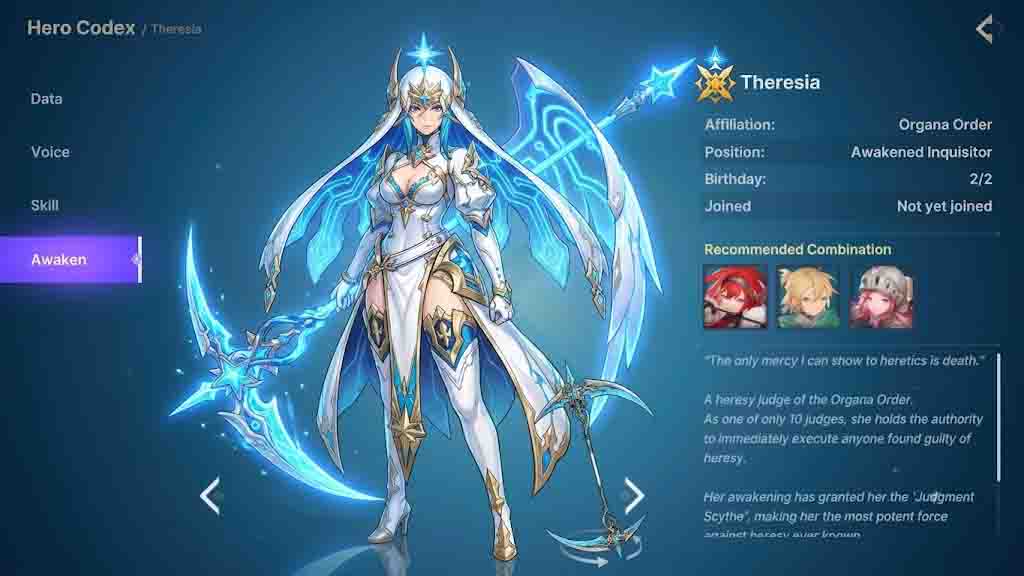
The Steam Next Fest demo already includes eight playable heroes — Alex, Aria, Castella, Lute, Ornette, Renia, Roxy, and Theresia — so you can practice Signal Skill rotations before launch.
Here’s the role framework across the full roster:
Primary DPS Heroes
Lute — The protagonist. Balanced melee attacker and the natural team anchor for most compositions. His story centrality means the game is balanced around him performing well.
Othello — Knockdown heavy attacker from the launch lineup. Crowd control specialist who sets up Signal Skills for adjacent team members. Strong in Raid content.
Alex — Fast attacker with high combo potential. Lower individual hits, higher chain frequency — generates more ailment applications than slower heroes.
Support and Hybrid Heroes
Aria — Healing and buff support. The only hero were staying alive through a long fight matter more than maximizing individual damage output.
Castella — Elf companion from the main story. Ranged attacker with strong ailment application for setting up other heroes’ Signal Skills.
Theresia — Technical hero with specific ailment specialization. High ceiling for players who master her rotation.
Full Roster Notes
The remaining 11 heroes cover further DPS, tank, and hybrid archetypes — full breakdowns for each are being added as community research develops. Check back after the full roster becomes available post-launch.
Best Team Compositions for Beginners
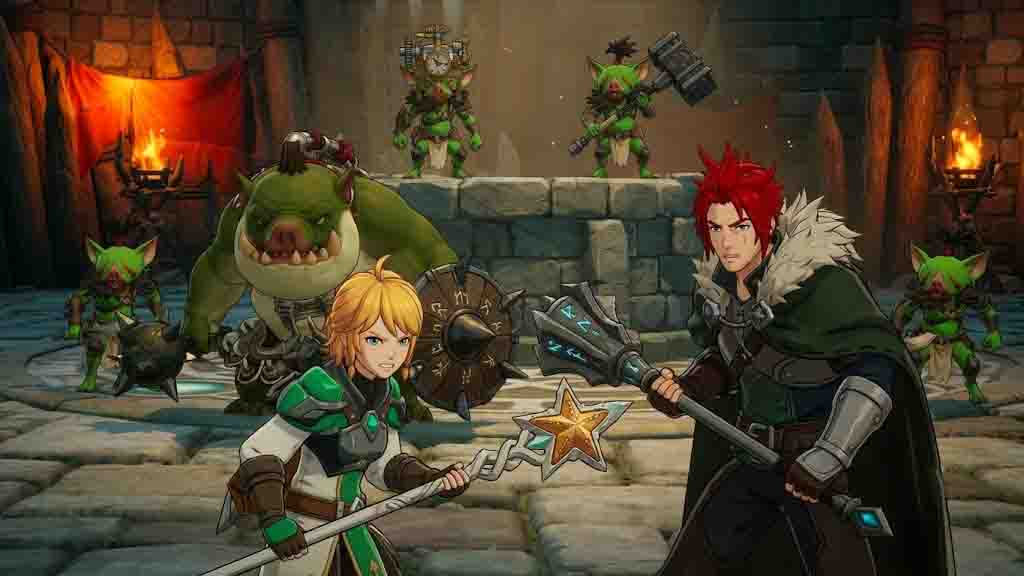
Building a good team in DragonSword: Awakening comes down to one rule: every hero in your party should contribute to at least one Signal Skill chain.
If a hero doesn’t apply an ailment that triggers another hero’s Signal Skill — or trigger their own Signal Skill off something another hero applies — they’re dead weight in the rotation.
Team 1: The Safe Starter (Lute / Castella / Aria)
- Lute applies ailments through melee chains
- Castella applies ranged ailments that trigger Lute’s Signal Skills
- Aria keeps the team healthy through extended fights
- Strong in story content and early exploration
Team 2: The Burst Chain (Alex / Othello / Theresia)
- Alex generates rapid ailment stacks
- Othello’s Signal Skills activate off Alex’s applications for massive burst
- Theresia adds a third ailment type, creating opportunities for extended chains
- Strong in Raid content and boss fights but more complex rotation
Team 3: The Balanced All-Rounder (Lute / Othello / Renia)
- Crowd control from Othello enables safe setup
- Lute’s consistent damage provides reliable output
- Renia fills the third slot with complementary ailment type
- Forgiving rotation — good for learning Signal Skill timing
Familiars — Mounts and Exploration
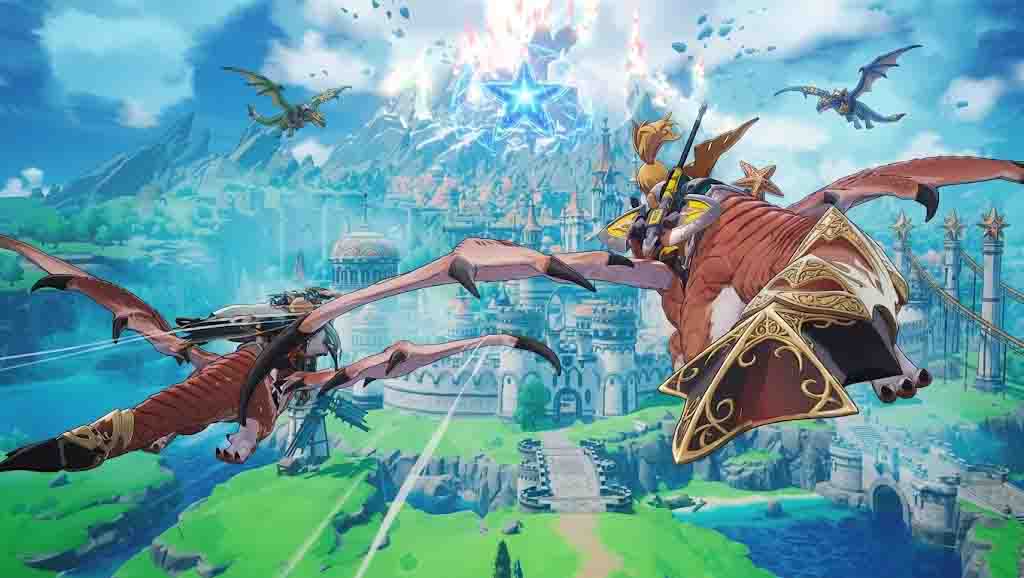
Familiars are collectible mount companions in DragonSword: Awakening. They follow in miniature form on foot, grow to full size when ridden, and include plants, beasts, birds, insects, and dragons.
Mounts unlock through two tracks — mercenary rank progression and story milestones. You don’t need to chase the very best one early — that’s locked to the story’s final stretch, and anything you unlock by chapter 6 handles exploration just fine. Each mount carries a distinct skill.
Don’t stress about Familiars early. Focus on team composition and combat mastery. The exploration mounts will come naturally through story progression.
Is DragonSword: Awakening Worth Buying?

The no-gacha model alone earns serious consideration. Anime-style action RPGs with this production value are almost always gacha mobile ports. DragonSword: Awakening is a buy-to-play premium PC game with all 19 heroes unlockable through gameplay. That’s genuinely unusual in this genre.
Built in Unreal Engine 5, DragonSword: Awakening features single-player structure with opt-in co-op for Battle content and three-player Raids. Online co-op is joined through invite codes rather than random matchmaking.
Korean press scored the action 8.5/10 at launch — a strong signal from the region that knows this type of game best. Western reception is still building but the foundation is solid.
At the expected $60 price point for a complete premium RPG with ongoing free hero additions, the value proposition is reasonable for fans of the genre.
The DragonSword: Awakening character guide fundamentals: understand the Status Ailment chain before picking your team, start with the Lute/Castella/Aria composition to learn Signal Skill timing, and don’t worry about chasing the best Familiar until you’re through chapter 6. The buy-to-play model means every hero you want is earnable through gameplay — no spending required beyond the initial purchase.
For more new Steam game guides this week read our Soulbound Online beginner guide and Mistfall Hunter beginner guide, and check the full Best New Steam Games July 2026 hub for every game we’ve covered this month.