



Will Horde Siege Be Enough to Sustain Gears of War Long-Term?
Gears of War: E-Day’s Horde Siege mode is easily the most ambitious thing The Coalition has done with the franchise’s beloved PvE format in years — and after early hands-on impressions started rolling in, the obvious next question is whether it’s actually enough to carry Gears of War’s multiplayer identity for the long haul.
Let’s start with what Horde Siege actually is, because it’s a genuinely bigger swing than a simple numbers bump.
What makes Horde Siege different from classic Horde
Horde mode has been a Gears of War staple for years, built around one squad of players bunkering down against escalating waves of Locust monsters — a shooter-meets-tower-defense hybrid that’s stayed remarkably consistent across the series. Horde Siege throws that formula wide open. It supports 12 players split into three separate squads of four, all sharing the same oversized map, each pursuing their own individual mission simultaneously.
That’s not a minor tweak. Squads can run into each other organically while exploring, help each other out during tough fights, or largely ignore one another while handling separate objectives — right up until large map-wide events called Boss Invasions force everyone to converge and fight together. Built across the sprawling districts of the fictional city Kalona, Horde Siege maps span multiple city blocks, giving squads real room to maneuver and make meaningful decisions about where and when to engage.
Early hands-on impressions have been notably positive. One preview described it as far more chaotic, bombastic, and cinematic than expected — high praise for a franchise whose Horde mode has always leaned tactical and methodical. Another outlet’s early feedback specifically called out how the larger player count and overlapping objectives create moments of emergent teamwork and sudden conflict that standard Horde rarely produced, adding that when squads coordinate well, the mode feels genuinely fresh, and even when they don’t, the chaos stays entertaining in classic Gears fashion.
It’s an addition, not a replacement
Here’s an important detail that answers part of the sustainability question on its own: Horde Siege isn’t replacing the classic four-player Horde experience — it’s sitting alongside it. Players who prefer the tighter, single-squad wave survival format still have that option intact. That’s a smart hedge. Rather than betting the entire PvE identity on one new, unproven format, The Coalition is offering both, which spreads the risk if Horde Siege’s larger-scale chaos doesn’t land with every corner of the fanbase.
The scale of post-launch commitment
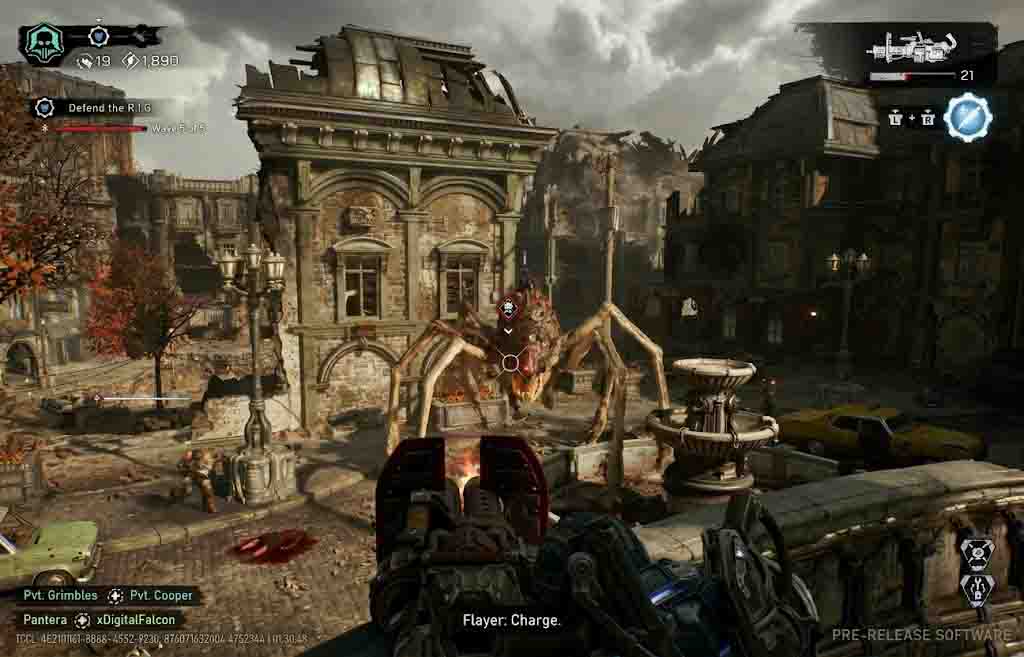
Sustainability isn’t just about a mode’s initial reception — it’s about whether developers keep feeding it. On that front, The Coalition has made some real commitments. Horde Siege launches with four classes and three maps, with new classes, maps, missions, and seasonal content confirmed to arrive after release. The studio has committed to five themed post-launch multiplayer seasons, kicking off with Season 1: Emergence at launch.
That’s a genuinely substantial content roadmap for a mode that didn’t exist a year ago. Whether five seasons is enough runway to keep 12-player Horde Siege matches feeling fresh long after launch is the real open question — live-service PvE modes tend to live or die on whether new content arrives fast enough to outpace player fatigue, and Gears of War doesn’t have a long track record of sustaining large-scale seasonal content the way, say, a dedicated live-service shooter does.
Versus is quietly doing its part too
It’s worth remembering Horde Siege isn’t shouldering this alone. Versus, the franchise’s classic 4v4 PvP mode, is also returning with real changes — new movement mechanics like jumping, sliding, and climbing onto certain objects add fresh routes and combat options while keeping the series’ signature cover-based gunplay intact. A healthier, more dynamic Versus mode gives players who aren’t drawn to PvE co-op a reason to stick around too, which matters for overall series longevity just as much as Horde Siege’s own success does.
Why this launch carries extra weight
There’s context here beyond just Gears of War fans caring about a new mode. Gears of War: E-Day marks Xbox’s first exclusive console game release in a couple of years, which puts real pressure on this launch to perform well across every angle — campaign, Versus, and Horde Siege alike. If Horde Siege genuinely lands as a persistent, must-play format, it strengthens the case for Xbox’s broader exclusive-content strategy going forward. If it fizzles after a few months, that’s a tougher story for a franchise Microsoft clearly wants to lean on.
If you’re the kind of player who tracks how developers keep long-running multiplayer formats fresh over time, it’s worth comparing Horde Siege’s launch strategy to how Splatoon Raiders took a similarly bold structural risk by abandoning competitive multiplayer for a single-player loot loop entirely — a much more drastic bet than Horde Siege’s additive approach, but one that paid off in reviews. Gears is playing it safer by keeping classic Horde intact, which might actually be the more sustainable long-term strategy.
So, will it be enough?
Based on everything confirmed so far, Horde Siege alone probably isn’t the single deciding factor for Gears of War’s long-term health — but it doesn’t need to be. It’s one strong pillar in a multiplayer package that also includes a refreshed Versus mode and a maintained classic Horde option, backed by a real seasonal content commitment. The mode’s actual staying power will come down to execution over the coming year: whether The Coalition delivers those five seasons on schedule, whether new maps and classes keep the format from going stale, and whether the emergent teamwork moments early previewers are praising hold up once the novelty wears off.
You can try it yourself before making up your own mind — pre-order access to the open beta runs August 6-10, with a second open beta weekend following later in the summer ahead of the game’s October 6, 2026, launch.